Flash photography can give you beautiful results when done right. As an aspiring photographer, no matter how much you may fear flash photography, you must learn how to work with different lights and use off camera flash. Of course, natural light photography is beautiful, but there will be situations and shoots where flash will be a necessity.
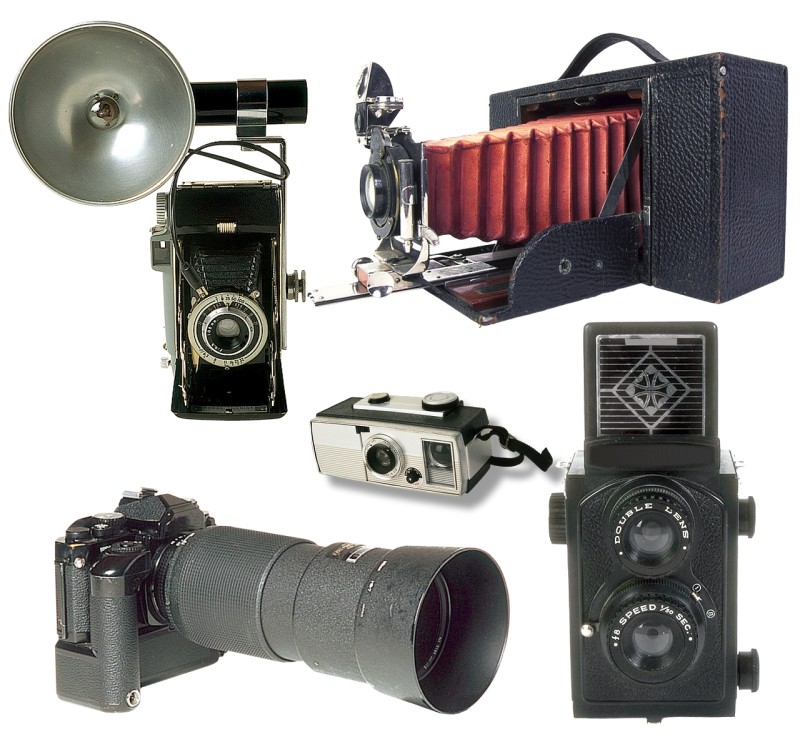
We have come across many people shying away from off camera flash because the concepts are a little too complicated to understand and apply. Don’t worry! We are here to simplify these concepts so that you understand them well and never shy away from off camera flash photography again.
The Equipment
- Speed lights: Even simple lights will do. You don’t need to worry about buying high-end speed lights.
- Triggers: Buy remote triggers so that you operate the camera and the flash simultaneously.
- Light stand: This will ensure everything is held correctly, just the way you want it.
- Umbrella and clamp: Umbrella will help diffuse the light, and the clamp will help keep the umbrella in place.
The techniques
- Working with ambient light: If you are trying off camera flash photography with ambient light, you might just want to under-expose the light and then use flash to get the exposure you are looking for.
- Working with overpowering sunlight: This is one of the most difficult situations you will face, but there is a solution! Just make sure the shadows get better exposure through your camera settings. This way, you will see that the details are not lost.
- Working with heavy backlight: Overexpose the background by increasing the ISO. You may have to deal with noise, but you can control the direction of light and the amount of light on your model. This will ensure you capture good photographs even with heavy backlight.
The tips
- Absorb the surroundings and the light well before making adjustments to the flash power. There is no hard and fast rule here. It depends on the location.
- Take a look at the color temperature of your flash as well. Sometimes, it is just this one setting that will help you capture great pictures.
- You may or may not have to adjust flash quality. This will depend on the type of image you want to take. If you want softer lights, bring out the umbrella!
- Take a few test pictures to see if you are getting the results you want. Especially if you are an amateur and are trying off camera flash for the first time, this will help you understand the background, the settings, and the adjustments very well.
- Buy good equipment and gear so that you don’t compromise on the quality of the image. At the same time, you don’t need to splurge. There are quite a few good options out there in the affordable range. Just determine what you need and go with it.
- Setting up the gear is just as important as buying it. A lot depends on the placement of the speed lights and the umbrella.
Off camera flash photography, like many others, is an art that comes with patience and understanding. It may seem very off-putting to begin with, but you shouldn’t avoid it completely. Practice and openness to learning are key.
The aforementioned tips will help you towards learning the art and putting it to good use. All the best!

Leave a Reply