We rely on speakers to output audio under countless scenarios. Headphones play audio for individual listeners. Meanwhile, loudspeakers provide information to the masses in grocery stores and airports alike. The world would be eerily quiet without speakers!!
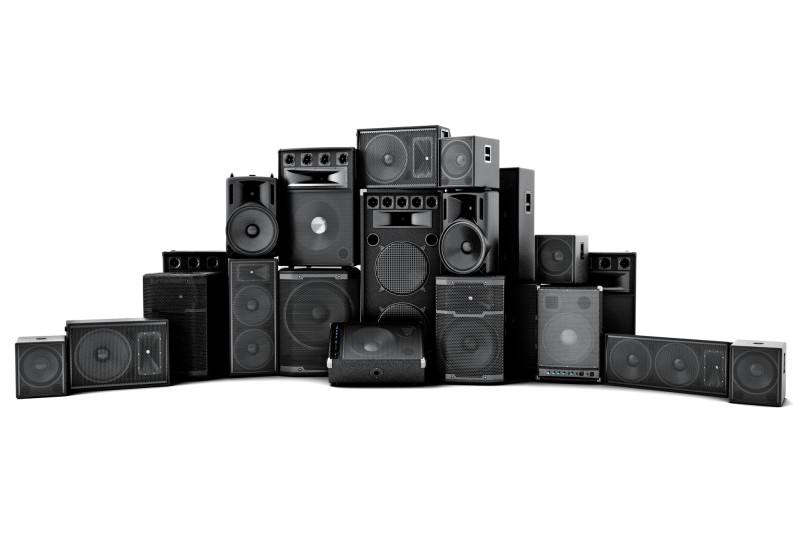
Most people utilize speakers at home and on the go for entertainment purposes. No home theater is complete without a proper surround sound system for example.
Likewise, an outdoor speaker system or portable speaker livens up the backyard BBQ.
We use speakers with our smartphones and computers throughout the day.
Smart speakers allow us to control the world around us with nothing but our voices.
Types of Audio Speakers
There are various types of electronic audio speakers. A home theater system often contains a half-dozen speakers or more.
Of course, each speaker type relies on a slightly different setup and physical characteristics to handle different sound frequencies.
Individual speakers may combine various technologies to provide the richest sound possible.
Either way, consumers need to know about the speakers they’re purchasing and using at home.
In its most basic form, a speaker device combines an electromagnetic coil with a diaphragm to generate sound.
The electromagnet uses induction to move the coil. From there, an attached cone of varying material vibrates in conjunction with the coil.
This process generates the sound waves we hear from the device. Engineers didn’t build the first speakers until the early 1900s, and horns were actually more common than speakers until that time.
Without further ado, let’s find out about the different types of speakers in the market and their intended purpose below.
1) Woofer
Woofers provide sound in the lower range of audible frequencies, typically 40 Hz to 1 kHz.
For that reason, they’re commonly known as bass speakers. A typical woofer provides solid bass and lower frequency sounds.
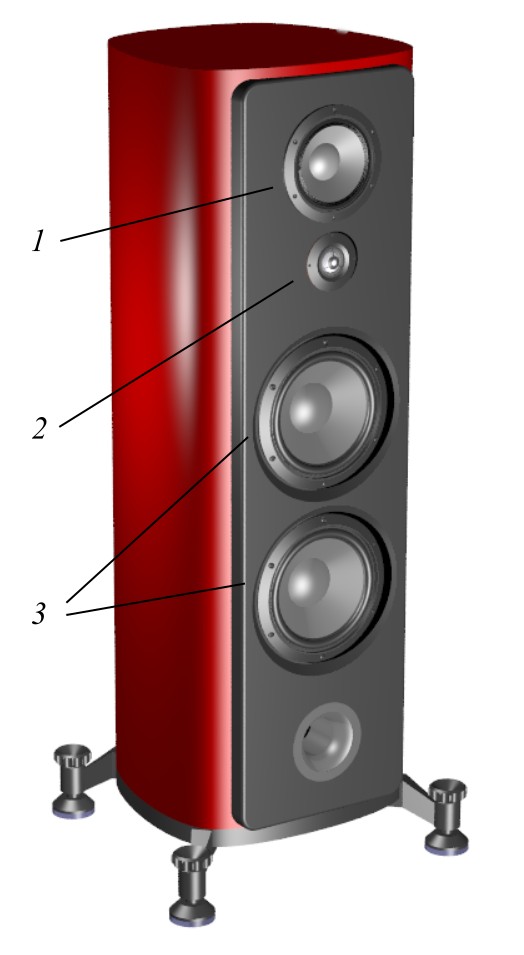
1- Mid-range driver
2- Tweeter
3- Woofer
Any given home theater setup would include at least one woofer speaker. In most cases, listeners hear the majority of the bass from video content or music through this type of speaker.
In theater systems and other setups, woofer speakers don’t require too much space although they are bigger in size compared to other types (e.g compared to tweeter). They’re on the compact side and are portable enough to move around with ease.
An individual may mount these speakers in various setups and locations at home.
Regardless, a solid home theater requires a woofer, and dozens of different options are available. Woofers can be purchased separately or in a speaker bundle.
2) Subwoofer
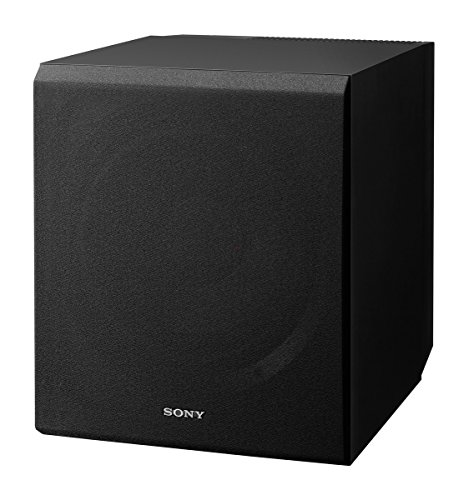
As its name implies, the subwoofer outputs even lower frequencies. Subwoofers typically cover the range from 20 to 200 Hz.
Such frequencies provide even deeper bass than a regular woofer. In fact, subwoofers can penetrate walls and floors in all directions with their sound output.
Home theater systems and even cars with subwoofers may be audible to everyone in the nearby vicinity.
Subwoofers output much more bass than a standard woofer. Therefore, listeners can differentiate woofers and subwoofers in a simple manner.
The woofer lets the listener hear the bass; the subwoofer allows the listener to feel the bass.
Since subwoofers provide much more bass, they’re recommended in home theaters and audio setups.
Subwoofers can be placed anywhere in a given setup to provide the bass.
3) Midrange Speaker

Mid-range speakers (or midwoofer) cover frequencies ranging from 200 Hz to 5 kHz in most cases.
These speakers share some of the frequency spectrum with tweeters more often than not.
Typically, midrange driver speakers output sounds like the human voice or musical instruments being played.
They provide a richer sound profile in conjunction with woofers and subwoofers. Another term to describe these speakers would be midwoofer.
On that note, midrange speakers provide a majority of the sound we hear during movies or TV shows and music.
Such speakers don’t pack a ton of bass compared to subwoofers. That’s either a positive or negative feature for listeners based on their bass preferences.
A typical midwoofer performs most of the work related to sound output. If a home theater lacks a midrange speaker, then the audio quality will suffer in a noticeable way.
4) Tweeter

Unsurprisingly, tweeters manage and produce higher frequencies than woofers. They often cover audio and sounds from 2 kHz to 20 kHz.
Tweeters make use of various technologies and processes to produce sound of higher frequencies.
Nonetheless, standard electromagnetic speakers remain the most common solution for these speakers.
All audio setups need to produce higher frequencies to provide rich and enjoyable sound, whether for movies or music.
Tweeters earned their name from the sound produced by birds. Most tweeters produce the highest range the human ear can hear and process, which is 20 kHz.
Despite that fact, certain tweeters provide even higher frequency output for audiophiles and special use cases.
Tweeter speakers have many uses in consumer and professional implementations and should be considered a mandatory purchase for any setup.
5) Full-Range Driver Speakers
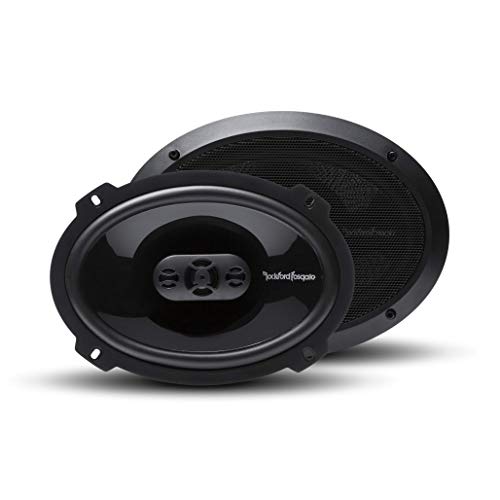
Full-range driver speakers follow a different approach than woofers and tweeters. Such units attempt to output the largest range of audio frequencies possible. They usually work in the range of 60Hz to 20+KHz.
In that vein, they’re designed to provide an all-in-one solution to multiple speaker setups.
They have smaller space requirements but produce less impactful audio. A full-range driver speaker simply cannot produce the lows of a woofer and highs of a tweeter.
With that being said, full-range driver speakers can be quite useful. A smaller footprint can provide “good enough” audio quality.
Not every audio situation requires premium audio output for an audiophile audience.
These speakers are affordable and make sense for various applications around the home. For these reasons, they make sense in certain situations outside of a premium home theater system.
6) 3-way Speakers

These are similar to Full-Range Driver speakers we have mentioned above but not actually the same.
A 3-way speaker contains three different types of speaker drivers, each optimized for a specific range of audio frequencies:
- Woofer: Handles low frequencies (bass)
- Midrange: Handles middle frequencies (vocals, instruments)
- Tweeter: Handles high frequencies (treble, cymbals)
The speaker uses an internal crossover network to split the audio signal into these three bands and direct each to the appropriate driver.
7) TV Sound Bars

TV sound bars provide an alternative to a multiple speaker home theater setup. Today’s flat screen televisions output lackluster sound.
On the other hand, premium home theater speakers cost a fair amount of money.
Sound bars provide a much better audio experience than a television’s speakers. They then provide a more cost-effective solution than home theater speakers for consumers.
Sound bars work like full-range driver speakers to a certain degree. They often cannot provide rich bass, so many sound bars include a separate woofer unit.
At a fraction of the price, quality sound bars provide a pleasurable listening experience.
Listeners may mist out on the highest and lowest frequencies as a trade-off. Installing or moving a sound bar couldn’t be easier, though.
8) Outdoor Speakers

Outdoor speakers can take the form of any of the previously described speakers. Most outdoor speaker setups include multiple speaker types for the best sound.
Also, they can be placed on the ground or mounted to a wall or other fixtured.
Manufacturers make a wide variety of outdoor speakers, whether owners want them to be portable or fixed.
Single speaker and multiple speaker setups can be installed outdoors.
Unlike indoor speakers, outdoor speakers must face the elements. Ordinary speakers aren’t designed to deal with moisture and dirt floating around outside.
Manufacturers tend to make outdoor speakers more durable with weatherproof materials and internals.
Speakers are often moisture resistant but not water resistant to any particular degree. For instance, they shouldn’t come into direct contact with rain while not in use.
9) Ceiling Speakers

Speakers take up a decent amount of space, especially multiple speaker configurations.
In certain cases, owners may want to mount speakers on walls and ceilings.
Doing so reduces the space requirement for a given setup. Ceiling speakers can be mounted to most ceilings in most homes but require extra effort and considerations.
For obvious reasons, ceiling-mounted speakers present a logistical hurdle for installers.
Nonetheless, ceiling speakers look clean and function quite well. Most people won’t notice the speakers while they’re not being used.
Such speakers save space and provide a unique look to any home theater or similar setup.
Although they increase the cost of an installation, the experience makes sense for those with the right budget.
Speakers mounted to the ceiling range from subwoofers to tweeters and everything in between.
10) Tower/Floor-Standing Speakers

Tower and floor-standing speakers remain the most common solution today. The average home theater setup includes a mix of these types of speakers.
Tower speakers often include a stand to hold the speaker. Sometimes, the speaker itself may exist as a tower design.
Moreover, the whole tower unit usually includes a collection of different types of speakers such as woofer, tweeter etc.
Floor-standing speakers can be placed on the floor or on a shelf or other stand. Some of these speakers can even be creatively mounted to walls and ceilings.
Both types of speakers should be considered the most flexible solutions. They can be placed in multiple configurations in any sized room.
While certain layouts will change acoustics, a pleasant listening experience is always possible.
In the end, some homeowners may prefer these speakers. Others may prefer the speaker setup to be out of the way with wall mounts and ceiling mounts.
11) Surround Speakers/Satellite Speakers
Surround and satellite speakers work best in small- to mid-sized rooms. They’re smaller than premium home theater speakers. Plus, they might not hit the absolute highest or lowest frequencies.
The cost savings and flexibility of these speakers tend to make up for those disadvantages.
Setups as small as two speakers are available for satellite speakers. More commonly, consumers will find five- or seven-speaker layouts.
Surround speakers are placed in specific locations to create a more immersive listening experience.
All speakers in the system work in conjunction to provide surround sound. In this setup, audio quality is usually average to above average based on the setup.
Surround sound systems won’t match a premium home theater setup. Most listeners will be more than pleased with the audio output here, though.
12) Smart Speakers
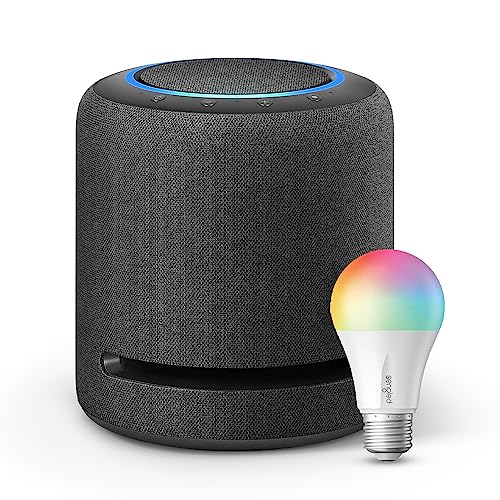
These days, nothing seems more common than the smart speaker. These speakers include WiFi connectivity and integration with a digital assistant.
Speakers tend to use Amazon Alexa, Google Assistant, or Apple’s Siri voice assistant.
Due to this connectivity, smart speakers can play music and provide weather updates. They can list out cooking recipes or even tell users their bank account balance.
Smart speakers include the usual audio technologies to output sound. Since they’re compact in size, they tend to work like full-range driver speakers.
They offer “good enough” sound but provide many more features than a standard speaker.
Lately, companies like Sonos have released smart speakers with stronger and richer audio output. An audiophile’s smart speaker may be available sooner rather than later.
13) Bluetooth Wireless Speakers
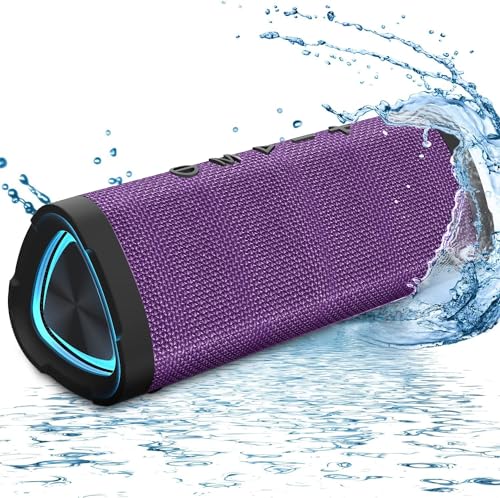
Bluetooth wireless speakers utilize Bluetooth connectivity to offer sound without wires.
They tend to run on rechargeable batteries and focus on portability. Typically, people use these speakers at home or on the go for entertainment.
Higher end Bluetooth speakers can output loud sound and a decent amount of bass.
Most of these units are single, standalone speakers that play from a smartphone or laptop computer.
14) Computer External Speakers
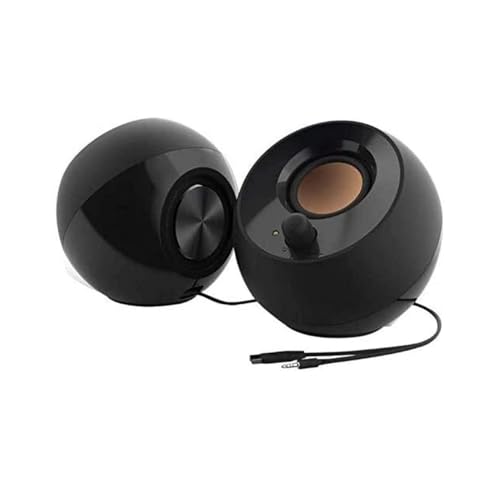
Finally, computer external speakers connect to a desktop PC or laptop computer. They often use a 3.5mm audio jack and cable to make the connection.
Computer speakers tend to work like full-range driver speakers and output average sound quality.
Multiple-speaker setups can improve the sound quality and even enable surround sound.
On top of that, these speakers run a wide range of prices to match all budgets.
Usage Scenarios and Recommendations for Different Types of Audio Speakers
Understanding which type of speaker to use depends heavily on the context in which the speaker will be operated, the environment, and the users’ sound preferences.
Here’s a summarized guide on where and how each speaker type is best used, along with practical recommendations for buyers and users.
-
Woofers
- Best for: Enhancing the bass frequencies in music and movies.
- Usage scenario: Ideal in home theater systems, music listening rooms, or anywhere bass reinforcement is needed.
- Recommendations: If you want a full-bodied sound experience, ensure your setup includes at least one good-quality woofer. Great for indoor use where bass adds depth to audio.
-
Subwoofers
- Best for: Producing deep bass that you can feel, enriching music, and cinematic experiences.
- Usage scenario: Essential for home theater enthusiasts and car audio systems where powerful and immersive bass is desired.
- Recommendations: Place subwoofers carefully for optimal bass distribution (corners of rooms usually work well). Consider the room size since subwoofers with too much power can produce unwanted vibrations in small spaces.
-
Midrange Speakers
- Best for: Clear reproduction of voices and instruments.
- Usage scenario: Crucial in any audio system aiming for a natural and balanced sound such as TVs, PA systems, and mid-level music systems.
- Recommendations: These should complement woofers and tweeters within a speaker system to cover the full audio spectrum.
-
Tweeters
- Best for: High-frequency sounds like vocals, cymbals, and other treble elements.
- Usage scenario: Necessary in most audio setups to add clarity and detail, particularly in home theaters, concert venues, and professional audio systems.
- Recommendations: Tweeters are usually paired with other drivers; standalone tweeters are rare. Choose tweeters with appropriate dispersion patterns for your listening environment.
-
Full-Range Drivers
- Best for: Simpler, smaller setups where space or budget is limited.
- Usage scenario: Great for portable speakers, small rooms, or budget-conscious users who want all-in-one solutions without multiple driver setups.
- Recommendations: Good for casual listening but not recommended for audiophiles or complex surround sound systems.
-
TV Sound Bars
- Best for: Improving the poor sound quality of flat-screen TVs.
- Usage scenario: Perfect for small to medium rooms where a full home theater system is not practical.
- Recommendations: Choose sound bars with subwoofer support for better bass. Opt for Bluetooth or smart-enabled models for convenience.
-
Outdoor Speakers
- Best for: Outdoor gatherings, poolside parties, or patios.
- Usage scenario: Must withstand weather elements like moisture and dirt while providing sound over open areas.
- Recommendations: Ensure they are weather-resistant or waterproof rated. Use multiple speakers for better coverage in large areas.
-
Ceiling Speakers
- Best for: Saving space while providing ambient or surround sound.
- Usage scenario: Homes or businesses requiring discreet, in-ceiling audio solutions, such as offices, restaurants, or home theaters.
- Recommendations: Professional installation is often recommended. Good for multi-room audio setups where aesthetic is important.
-
Tower/Floor-Standing Speakers
- Best for: High-quality home audio and immersive sound experiences.
- Usage scenario: Living rooms and dedicated home theaters where space allows for larger speakers.
- Recommendations: Consider speaker placement for ideal acoustics. These often include multiple driver types for full-range sound.
-
Surround/Satellite Speakers
- Best for: Creating immersive surround sound environments.
- Usage scenario: Integrated into 5.1, 7.1, or higher home theater systems.
- Recommendations: Placement is critical—usually behind or beside the listener for best effect. Combine with a subwoofer and front speakers for a complete system.
-
Smart Speakers
- Best for: Voice-controlled, multi-functional audio in smart homes.
- Usage scenario: In kitchens, bedrooms, or offices where convenience and connectivity are priorities.
- Recommendations: Ideal for casual listening and voice assistant tasks. Audiophiles might want to supplement with dedicated speakers.
-
Bluetooth Wireless Speakers
- Best for: Portability and wireless convenience.
- Usage scenario: Travel, outdoor use, small gatherings, or as secondary speakers in the home.
- Recommendations: Look for good battery life, waterproof ratings, and sound quality. Pair multiple speakers for stereo sound when possible.
-
Computer External Speakers
- Best for: Enhancing the sound output of desktops and laptops.
- Usage scenario: Home offices, gaming setups, or casual computer audio use.
- Recommendations: For gaming or multimedia use, consider a set with a subwoofer. USB-powered speakers are convenient for desk setups.


Thank you for this information it has really helped me to know how to arrange my speakers for a better sound experience. Please I’m in a squared room in size, please do you having three subwoofers, two woofers and 4 to 7 ceiling speakers produce a good feeling and hearing of sound output. Thanks pls for your teachings!
Ok I’m much comfortable with the things I asked here, I’m so greatful..